- Home
- Blog
- Hearing Protection
- Why Hearing Protection Fails in High-Noise Environments (and How to Fix It)
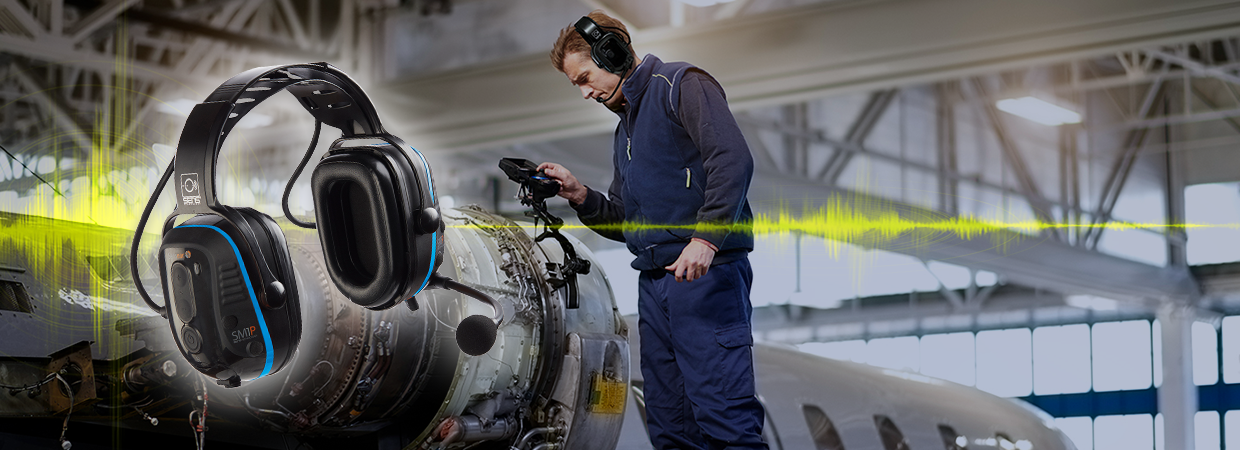
Why Hearing Protection Fails in High-Noise Environments (and How to Fix It)
Hearing protection programs rarely fail because companies do not care about safety. They fail because traditional solutions were never designed for extreme noise combined with constant communication needs.
In high-noise environments, workers are expected to protect their hearing, stay aware of their surroundings, and communicate clearly. When those goals conflict, hearing protection is often the first thing to be neglected.
This article looks at why hearing protection fails in high-noise environments, what warning signs to watch for, and how modern solutions from Sensear are helping safety teams fix the problem.
The Hidden Reality of Hearing Protection in High Noise
On paper, many hearing conservation programs look promising. Noise surveys are completed, approved earplugs or earmuffs are issued, and training is documented. However, on the floor, the reality can look very different.
Common behaviors often include:
- Workers lifting earmuffs to hear instructions or coworkers
- One earplug partially removed during conversations
- Radio volumes turned dangerously high
- Hand signals replacing verbal communication because radios fail
These are not compliance problems, they are design problems. When hearing protection prevents people from doing their jobs safely, workers adapt in ways that increase risk.
Why Hearing Protection Fails in High-Noise Environments
1. Protection Blocks Communication
Traditional passive hearing protection reduces sound, but it does not distinguish between dangerous noise and critical information.
In environments with sustained high noise, workers still need to:
- Hear instructions from supervisors
- Communicate with team members
- Understand radio traffic
- Detect alarms, vehicles, and warning signals
When hearing protection blocks all sound equally, communication becomes harder. Workers compensate by shouting, repeating instructions, or removing protection entirely.
2. Situational Awareness is Lost
Hearing is a key part of situational awareness. In many industrial environments, workers rely on sound to detect:
- Approaching vehicles
- Backup alarms
- Equipment changes
- Verbal warnings
Over-attenuation can isolate workers from their surroundings. While their hearing may be protected, their overall safety awareness is reduced, which can increase the risk of incidents and near misses.
3. One Solution is Used for Every Noise Level
Many sites rely on a single type of earplug or earmuff for all noise conditions. This approach often fails as noise increases.
As environments move from moderate noise into sustained 90 dB, 100 dB, or higher:
- Communication becomes more critical
- Dual protection may be required
- Fit and comfort issues increase
- Workers are more likely to modify or remove PPE
High noise demands task-specific solutions, not a one-size-fits-all approach.
4. Dual Protection is Used Incorrectly or Avoided
In extreme noise, dual hearing protection is often necessary. However, traditional plug-and-muff combinations can:
- Make communication nearly impossible
- Increase isolation
- Lead to inconsistent use
When dual protection makes it difficult to work, compliance drops and risk increases.
What Effective Hearing Protection Looks Like in High Noise
To truly work in high-noise environments, hearing protection must do more than block sound.
Effective solutions must:
- Reduce harmful noise to safe levels
- Allow clear speech and radio communication
- Preserve awareness of alarms and surrounding activity
- Work comfortably for long shifts
- Integrate with other PPE such as helmets, respirators, and PAPR hoods
This is where modern high-noise communication solutions make a measurable difference.
How Sensear Fixes the Problem
Sensear designs hearing protection specifically for high-noise environments where communication is essential.
Instead of forcing workers to choose between hearing protection and awareness, Sensear solutions are built to deliver both.
Intelligent Sound Control with SENS® Technology
Sensear headsets use patented SENS® Technology to:
- Suppress harmful background noise
- Enhance speech clarity
- Maintain 360º awareness of surrounding sounds
Workers can hear what matters while dangerous noise is reduced to safe levels.
Integrated Communication
Sensear solutions integrate hearing protection and communication into one system, supporting:
- Two-way radios
- Bluetooth® connectivity
- Short-Range headset-to-headset communication
This eliminates the need for workers to remove protection to communicate.
Solutions for Different Noise Levels and Tasks
Sensear offers a range of options to match real-world conditions:
- Standard headsets with NRRs typically ranging from 23 to 27 dB
- Dual protection headsets providing up to 36 dB of attenuation for extreme noise
- In-ear options that deliver protection and communication in a low profile form factor, including integration with PAPR hoods or respirators
This allows safety teams to match the right solution to each role instead of relying on a single device for every job.
Designed for Industrial Environments
Sensear products are engineered for demanding conditions, with:
- Rugged construction for daily industrial use
- IP54 rated headsets and IP67 rated noise-canceling boom microphones
- Options for intrinsically safe and hazardous locations
Signs it is Time to Rethink Your Hearing Protection Strategy
During safety reviews or audits, watch for these indicators:
- Workers frequently adjust or remove hearing protection to communicate
- Radio complaints increase in high-noise areas
- Different departments use different workarounds
- Dual protection is required but inconsistently worn
- Near misses mention communication failures
These are strong signals that traditional hearing protection is no longer enough.
Fixing the Problem Before it Becomes an Incident
High-noise environments are not going away. As operations scale, automate, and increase output, noise and communication demands often rise together.
Fixing hearing protection failures requires moving beyond basic passive PPE and adopting solutions designed for noise, communication, and awareness as a system.
Ready to Fix Hearing Protection in High-Noise Environments?
If hearing protection is interfering with communication or situational awareness at your site, Sensear can help.
- Talk with a Sensear specialist about your noise levels and tasks
- Review headset and in-ear options designed for high-noise communication
- Build a hearing protection strategy that supports both safety and productivity