- Home
- Blog
- High-Noise Communication
- Why Communication Systems Fail in High-Noise Environments
Why Communication Systems Fail in High-Noise Environments
In many industrial environments, safety teams invest heavily in hearing protection. Earplugs, earmuffs, and other protective equipment help reduce noise exposure and protect workers from long-term hearing damage.
However, one critical factor is often overlooked: Communication
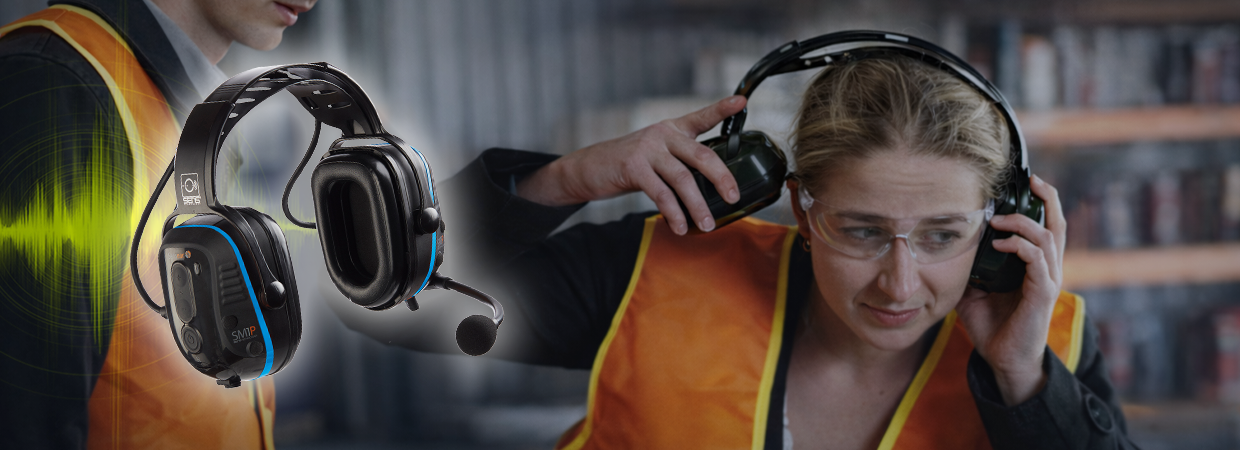
In high-noise environments, workers still need to hear instructions, warnings, alarms, and radio calls clearly. When communication breaks down, the risk to worker safety increases even if hearing protection requirements are technically met. Understanding why communication systems struggle in high-noise environments can help safety teams design more effective solutions.
The Challenge of Communicating in High Noise
Industrial environments such as data centers, manufacturing plants, aviation ramps, mining operations, utilities, and construction sites often generate noise levels exceeding 90 or even 100 dB(A). At these levels, normal speech becomes difficult to understand and many communication systems begin to fail.
Common problems include:
- Radio audio being drowned out by surrounding noise
- Workers needing to repeat instructions multiple times
- Background noise overwhelming microphones
- Speech becoming muffled by hearing protection
When communication is unreliable, workers often resort to workarounds such as hand signals, shouting, or temporarily removing hearing protection to hear instructions. These behaviors introduce additional safety risks.
Why Standard Radios Struggle in Noisy Environments
Two-way radios are a critical tool in many industrial operations, but most were not designed specifically for extreme noise conditions.
In high-noise environments, several issues can affect radio communication:
Microphone Overload
Loud background noise can overwhelm microphones, making speech difficult to distinguish from surrounding sound.
Reduced Speech Clarity
Noise interference and poor audio quality can make radio transmissions difficult to understand, especially when workers are wearing hearing protection.
Limited Volume and Intelligibility
Even when radios are turned up to maximum volume, audio may still be difficult to hear through earmuffs or earplugs. As noise levels increase, these limitations become more pronounced.
The Impact of Hearing Protection on Communication
Hearing protection is essential in loud environments, but it can also create communication challenges if it is not designed to work alongside communication systems.
For example:
- Earplugs reduce the ability to hear speech and radio transmissions
- Earmuffs can muffle voices and environmental sounds
- Dual protection can further reduce speech clarity
When workers cannot clearly hear instructions or warnings, they may remove or adjust their hearing protection in order to communicate. This behavior reduces the level of protection and increases exposure to hazardous noise.
Situational Awareness Matters
Communication failures do not only affect radio calls. They can also affect a worker’s awareness of their surroundings.
In high-noise environments, workers must still be able to detect important sounds such as:
- Alarms and warning signals
- Moving vehicles or equipment
- Instructions from supervisors or coworkers
- Changes in equipment operation
If hearing protection completely isolates workers from their environment, it can make it harder for them to recognize hazards. Effective high-noise communication solutions should help workers stay connected while maintaining awareness of what is happening around them.
What High-Noise Communication Systems Must Do Differently
Because high-noise environments create unique challenges, communication systems must be specifically designed to perform under these conditions.
Modern high-noise communication solutions typically focus on several key capabilities:
Clear Speech in Extreme Noise
Advanced speech processing and microphone technology can help isolate and transmit speech even when background noise is very high.
Integration with Hearing Protection
Communication systems should work alongside hearing protection rather than competing with it.
Maintaining Environmental Awareness
Workers must be able to hear critical warning signals, alarms, and surrounding hazards.
Reliable Connectivity
Integration with two-way radios, Bluetooth® wireless communication devices, and short-range communication helps keep teams connected across the worksite.
When these elements are combined, safety teams can support both hearing protection and effective communication.
Raising the Standard for High-Noise Safety
High-noise environments require more than basic hearing protection. They require solutions that help workers protect their hearing, communicate clearly, and remain aware of their surroundings.
By understanding why communication systems fail in noisy environments, safety teams can identify opportunities to improve both safety and operational efficiency. As industrial environments continue to evolve, the expectations for high-noise communication technology will continue to grow.
And safety teams should be ready to expect more. Sensear solutions are designed specifically for high-noise industrial environments, helping workers protect their hearing while staying connected and aware.
Learn more about Sensear's high-noise communication technology.